
Troy Buzby
alternate history
Troy Buzby
Nobody knows when they’re living through history.
Most alternate history hangs on a single dramatic what-if: what if Lee won at Gettysburg, what if Germany got the bomb first. Troy Buzby writes the slower kind. Pick a period. Change the conditions. Follow the people who didn’t get a briefing.
The Strand series begins in 1760s Pennsylvania, where ancient technology arrives in limited quantities and reshapes a generation. Four books, four rotating protagonists, the human cost of a history that stopped going where it was supposed to go.
If you’ve read Patrick O’Brian for the period texture, watched Turn for the colonial detail, or argued counterfactuals with friends who actually know the history, this is the shelf.
Troy Buzby writes character-driven alternate history. The pivot is the premise. The people are the point.
Series
The Strand Series — Colonial Pennsylvania, 1760s. Three books published. Book 4 launching mid-2026. Browse the series.
Future series in development: WW1 alternate history, WW2 alternate history. Same approach: pick a period, change the conditions, follow the people.
Newsletter
Buzz Words covers new releases from both Troy Buzby and Ben Wilson, plus historical deep dives and the “what if” questions that turn into novels. One list, no spam.
Books by Troy Buzby
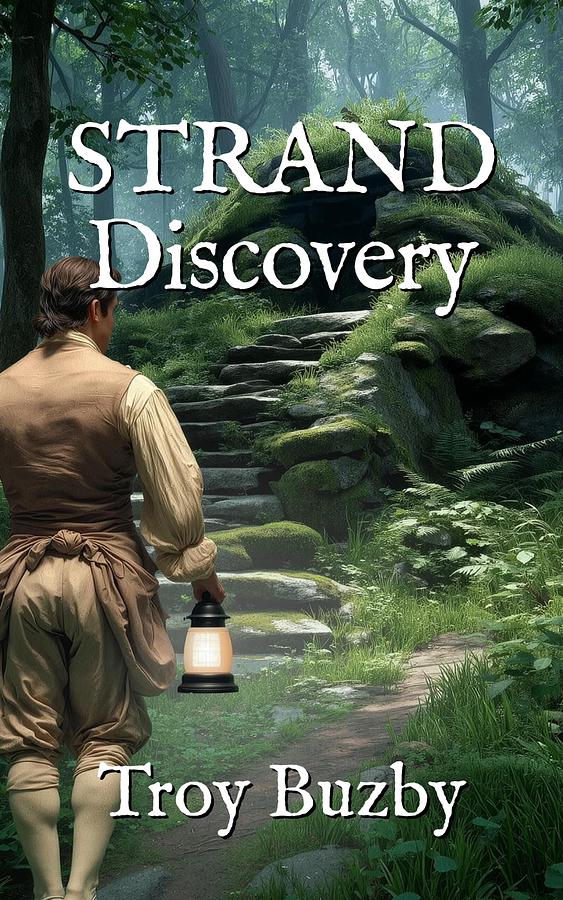
Strand
Strand: Discovery
A fugitive murderer discovers fantastic weapons in a buried Pennsylvania temple just as Pontiac's Rebellion sets the frontier ablaze, making him the most wanted man in the colonies. When forbidden power can win a nation's freedom, does wielding it make you a liberator or a tyrant?
Read on →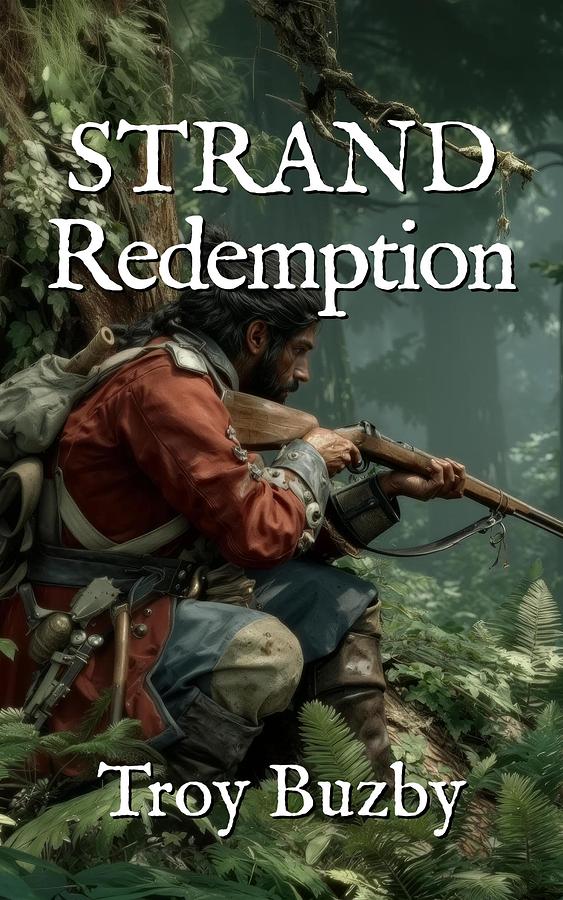
Strand
Strand: Redemption
A disgraced British officer must hold an undermanned fort against overwhelming Native forces while his own expedition races to unlock alien technology buried in a Pennsylvania temple. When courage has already failed you once, can duty alone hold the line?
Read on →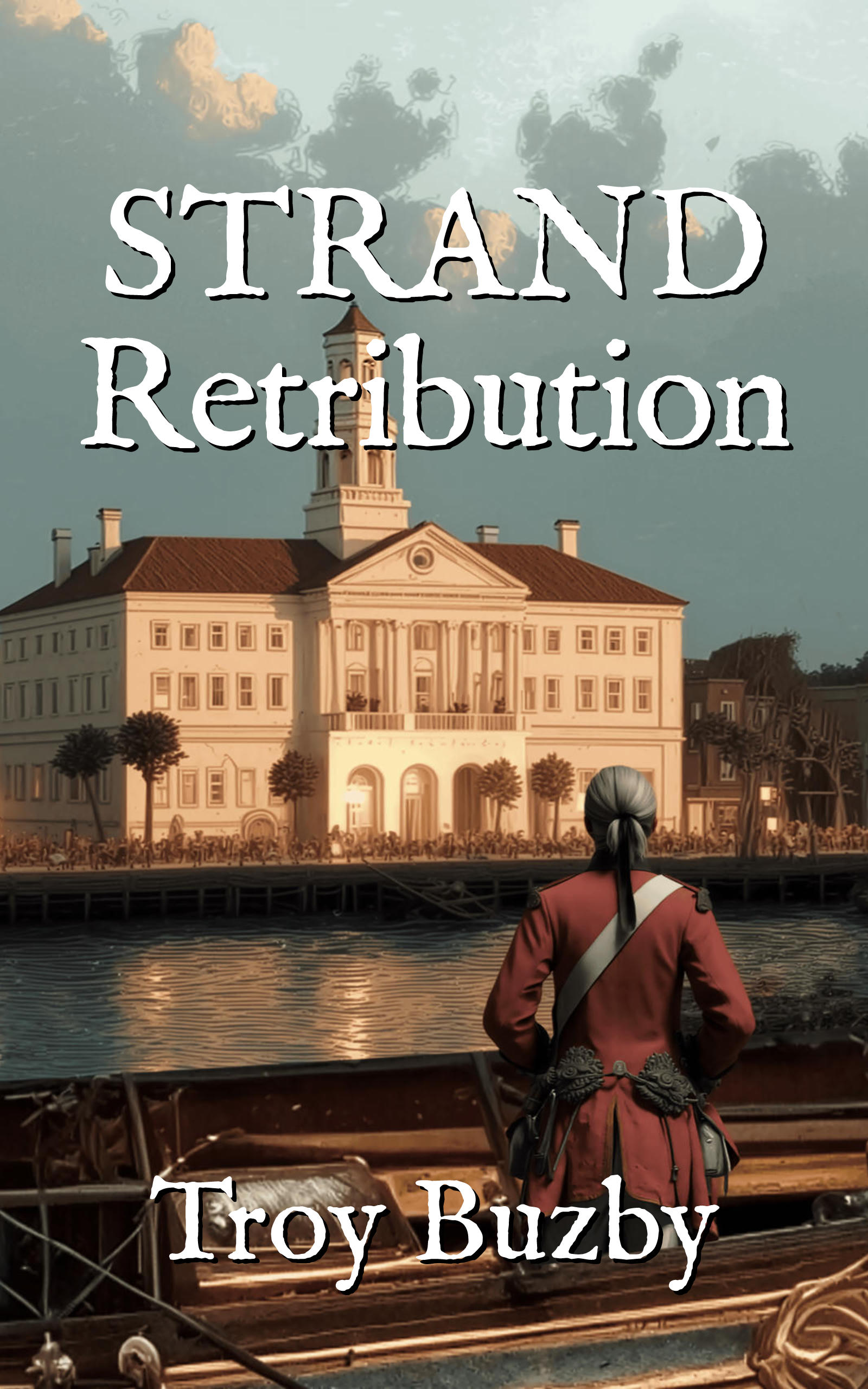
Strand
Strand: Upheaval
TBD
Read on →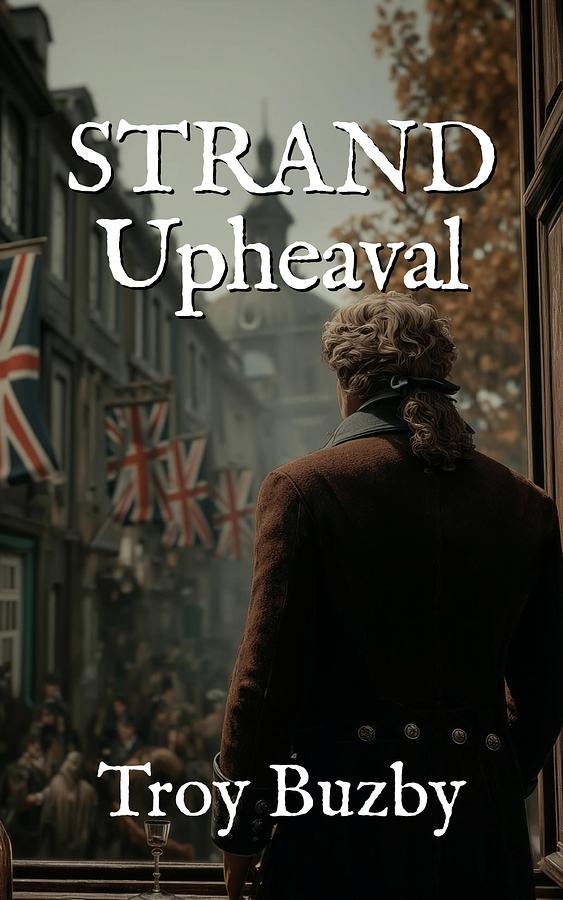
Strand
Strand: Upheaval
A Scottish spy plots to assassinate King George III during a royal visit to colonial Boston, but the King arrives offering the reforms that could make revolution unnecessary. When the cause demands murder and love demands mercy, what does a man owe the dead when the living need him more?
Read on →